
Your read: 12 min · The record: 44 minNot logged into Spotify? 30-second tastings.
You know I love a detour, but I usually let you think for a few paragraphs that we’re going somewhere instead of starting so bluntly, but for once, it actually matters. I’ve been following Nothing But Thieves’ work for quite some time now, but for the most part of it, I’ve been what you could call quite a casual listener. But then my favorite kind of magic happened.
I saw them live.
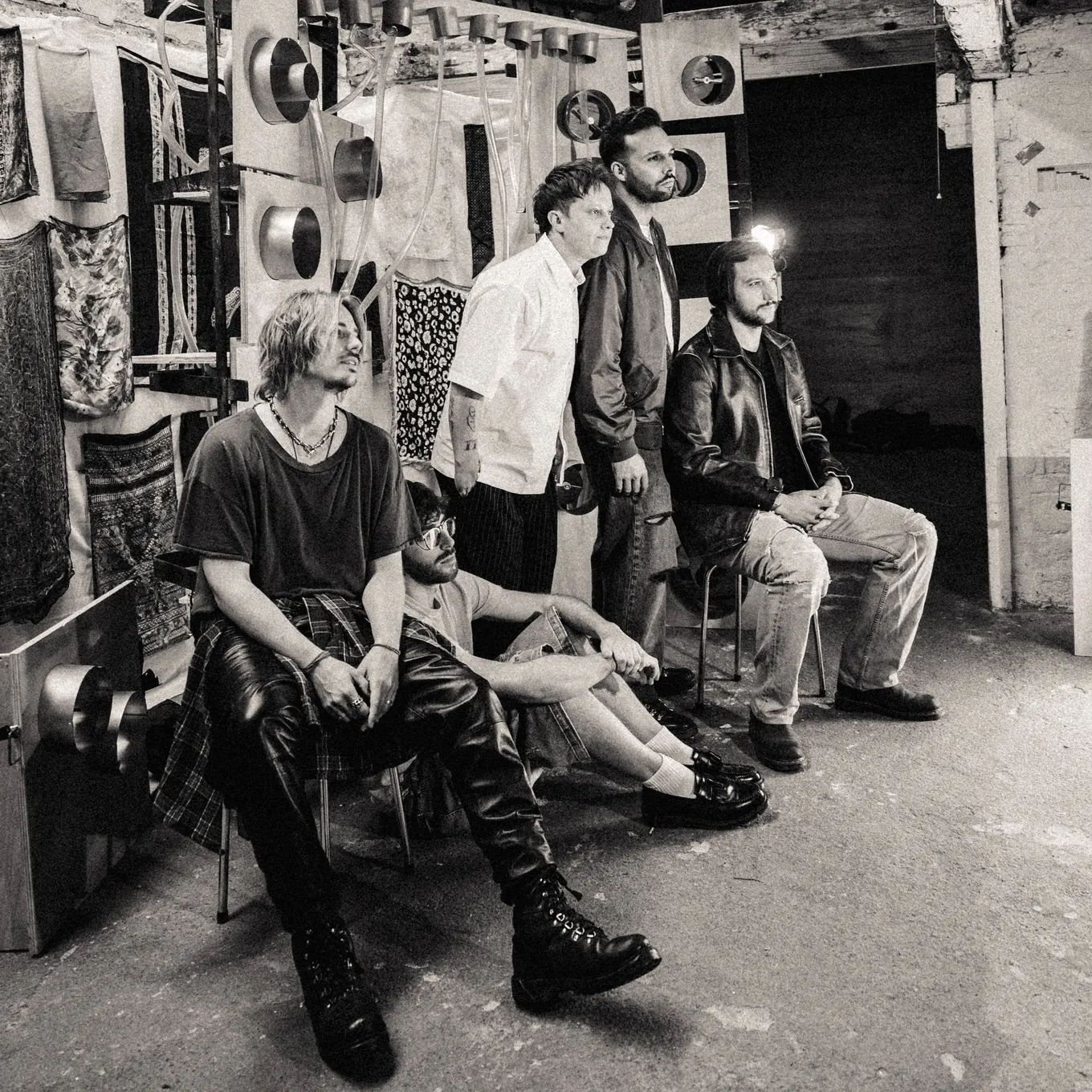
NOS Alive, 11 July 2024. Half six in the evening, the slot where the light goes gold and half the site is still queuing for beer. “A casual listener,” I said. Well, fourteen songs later I was a different kind of fan entirely.
It was Conor Mason’s voice that did it. That thing where someone opens their mouth and the air in a field changes. And the presence that goes with it, because the band is excellent, genuinely, all of them — but we all know a frontman is what makes the difference between a good show and the one you’re still describing to people two years later.
I went home wanting to see them again and started actually paying attention to what they put out.
So I had some expectations going into this one. Keep that in mind, because for a couple of days I thought the album was the problem. Spoiler alert I was (not really but kinda.)
One more thing, and then we’ll get on with it. I don’t read other people’s reviews before I write mine, and I don’t read what the band has said about the record either. Not out of arrogance. I just want the thing itself first, before anybody tells me what I’m supposed to be hearing. I’d rather be wrong on my own than right because somebody handed me the answer.
It is a lovely principle, isn’t it?
Yeah… and it cost me two days this time.
The first listen
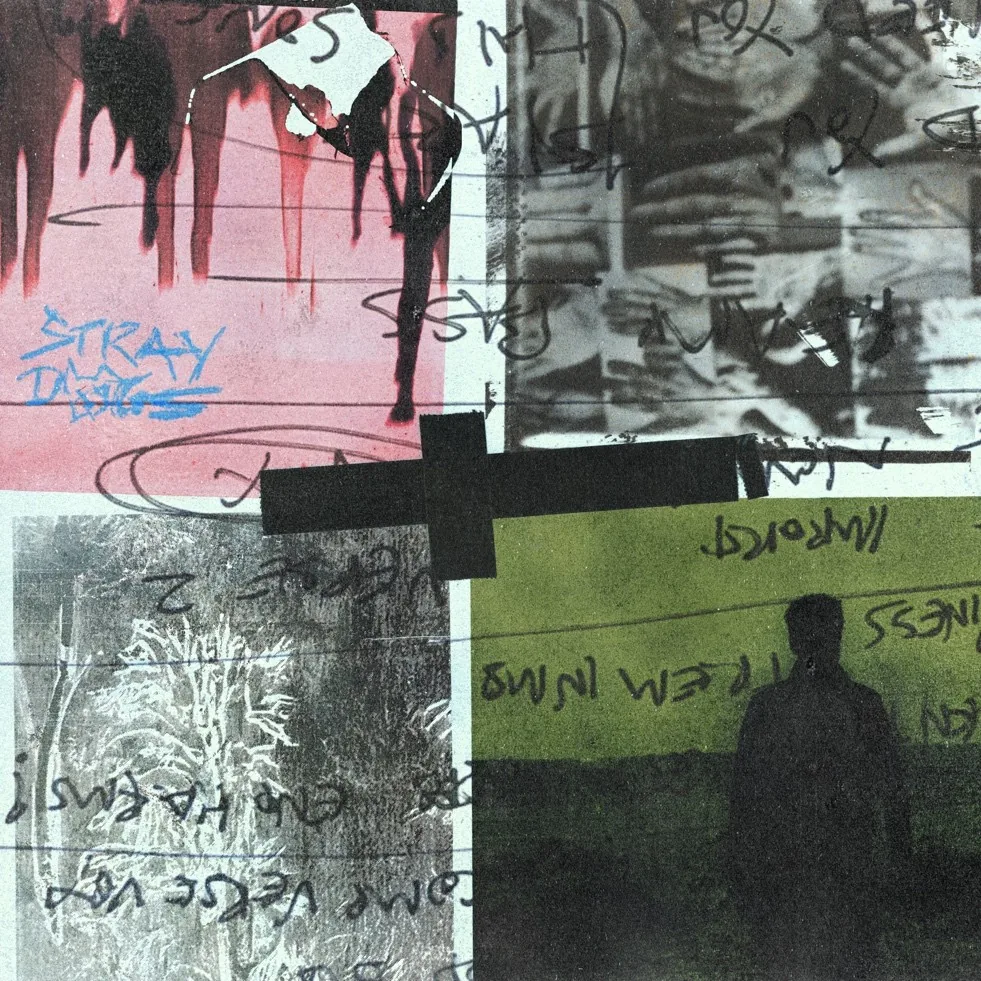
Stray Dogs is how you open a record. The chorus is a straight slap to the face, and you are not consulted about it. Alright, I’m listening, lads.
It’s also long, which is uncanny for a first track, and an enormous amount happens inside it. Layers on layers. Those borderline-electro guitars that leave you no room to breathe, so you don’t, you just sit there being leaned on for four minutes. Chaotic in the good way, the kind that has you bopping along on your desk chair at two in the afternoon.
The title probably tells you everything there is to know about this record. Or does it. And the first thing I thought, before anything else, was that this is going to hit SO hard live — which turned out to matter more than I realised at the time.
Testosterone comes in on an atmospheric riff and immediately sets up a duality — something arguing with itself, a dialogue of sorts, laid over a sound that’s weirdly sticky and won’t quite come off your hands afterwards. The screaming chorus is where most people will notice it. For me it’s the guitar solo, which is on point in a way that made me go back twice.
Still on track. Still exactly the record the first two minutes promised.
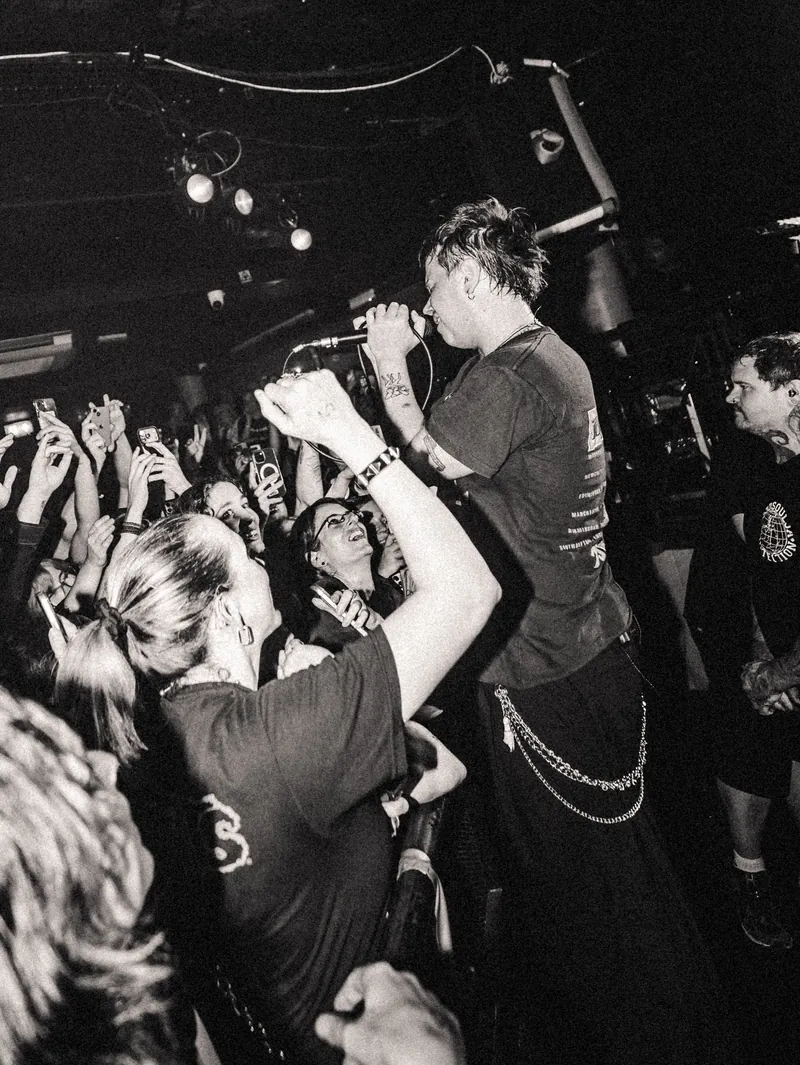
Evolution is classic NBT. Familiar, somehow still fresh, full of levity — the one that was always going to be the single and is clearly having a lovely time about it. A bop, and one that leaves you with a smile on your face, which they don’t always let you have. (A detail I love. Dominic Craik kept a decibel-and-a-half jump from verse to chorus that he’d have flattened out before, because it sounded like them live. I’m leaving you too many breadcrumbs already.

An easy listen, then. I hesitated for a while over whether I meant that as a compliment.
Death in the Backseat keeps the joy ride going, and keeps it going in the same direction, which is around the time I started paying a different kind of attention. Another bop. Guitar-driven, vocals pushed right up front — vocals ++, and I stand by the plus signs. Clapping along or what?
#5 — and yes, that is the actual title, I checked twice because I assumed I’d forgotten to write the name down — stays in the lighter stretch, and does it beautifully. It builds slowly into something bigger and leaves a chorus hanging around in your head for the rest of the afternoon. It’s a sweet song. I really like this one.
It taps into feelings we all know, which is a harder trick than it sounds, and the band have called it the cornerstone of the whole record — written and recorded with no decoration on it, deliberately. Good song, recorded well, nothing in the way. You can hear that they meant it.
If You Don’t Have Someone To Love goes softer still. Melancholy wrapped in something lighter and poppier than the sleeve led me to expect, carried almost entirely on Mason’s voice.
And here is where I properly started frowning.
That is a big soft segment to be sitting in. Four tracks, give or take, since anything resembling the thing the opener promised. Great songs — I’ve just told you I like them — but what is this record doing?
Songs great, yes. Does it work as an album?
I had the whole thing filed as a band with a dozen strong tracks and no idea what order to put them in.
Then I got to track seven.
Thirty seconds
(Archive 76) is thirty seconds long. There is no band on it.
What there is, is a crowd. Voices, chanting. Thirty seconds of a room full of people and a sort of interlude ringing through the air.
And I sat up, because of what happens immediately before it.
Go back to the last minute of If You Don’t Have Someone To Love. It builds, it soars, it goes exactly where a big emotional song goes — and then it drops out completely. Not just in volume. In texture. Everything goes. What’s left is one acoustic guitar, on its own, in a room that got very small very suddenly.
A band builds an anthem. Strips it down to a single guitar. Stops playing entirely. And the crowd carries it.
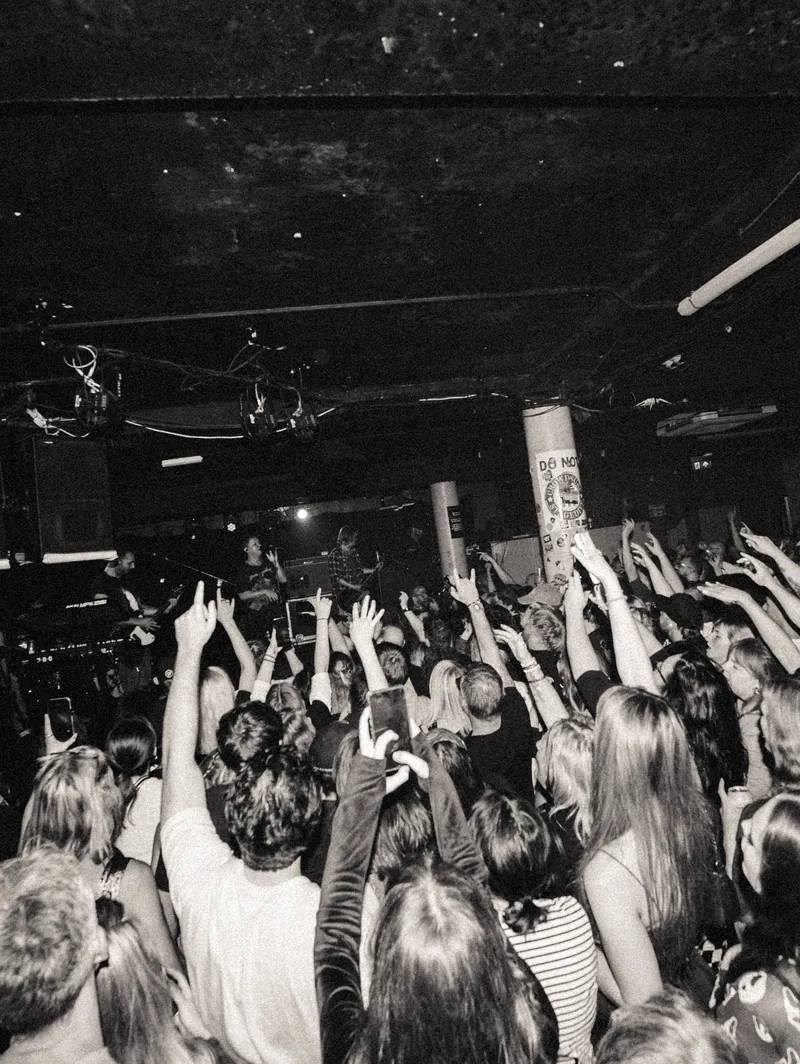
Every person reading this who goes to gigs knows that moment. It is the best one there is. On the only thirty seconds of this record where the band isn’t playing, what you hear is the audience.
So I went back to the beginning and played the whole thing again, with one assumption changed.
It’s a setlist
Not an album with sequencing problems. A set.
And a set has exactly this shape. It starts huge — full hype, here we go, finally, we’ve been standing here since four and our lower back hurts like hell — and it ends in apotheosis. In between there’s a long stretch where the band plays the ones you don’t know yet and a third of the room drifts off to the bar. That is not a flaw in a concert. That is the shape of a concert.
Everything I’d been frowning at reorganised itself in about four minutes.
The opener is an opener — long, maximal, built to put a field on its feet, which is precisely why it doesn’t sound like anything else here. The singles are front-loaded, the way they always are, because you don’t make people wait. The soft stretch at four, five and six isn’t the record sagging; it’s the middle of the set, where bands have always put the new ones and the slow ones. And that collapse at the end of six is a band walking down to the B-stage — which makes the thirty seconds of crowd noise the walk back.
I’d watched them build precisely that shape, in Algés, in 2024. Five of their biggest in the first six songs. A middle that went deep, including a passage where three songs ran straight into each other, stitched together into one long thing. Then two bangers to send everyone home into the Portuguese night.
They didn’t invent this for the album. They’ve been doing it on a stage the whole time, and this time they pressed it to a record.
Oh — and it runs forty-three minutes. Which is, more or less, a festival slot.
At which point I broke my own rule and went to look at what the band had said about it because I was seriously starting to think I was at long last losing my mind.
They’d explained the entire thing before the record came out. They recorded their own audiences on tour and turned them into the transitions — so those thirty seconds aren’t an atmosphere loop pulled off a library disc, they’re their rooms, their people, stitched into the middle of their own album. They talked about wanting the record to feel like being at one of their shows. Their producer, Craik, describes building it around push and pull of contrast like it’s a design brief.
It was all there. Freely available. I could have read it in under two minutes on the day of release and saved myself the whole exercise.
I’m still glad I didn’t.
The second set
Baby Kool (Evelyn) is an electricity jolt back to life. Those are my words from the first listen, written before I had any idea what I was describing, which I have decided to find funny rather than embarrassing.
It starts out still some distance from the heavy guitars, which makes it a lovely in-between rather than a hard reset — it alternates restraint and explosion for a while, holding off, holding off — and then it catches up with itself at the chorus and you remember what record you’re on. Fresh, happy, and audibly destined to be the one that does numbers. Back on the big stage.
AI.Jesus cuts straight through. Back to heavy, finally, and not politely either.
My first reaction was suspicion about the placement. Were they just letting us get comfortable, high on good vibes, before kicking the door in? Maybe. Or maybe that’s exactly what the second half of a set is for — the bit where the lights change and everyone who wandered off comes back.
I Needed You Then, I Need You Now is the most stripped thing here. A haunting acoustic ballad, raw guitar, the slowest the album gets.
But not the small kind of stripped. This is the sort of acoustic song that could move an entire room — the one where everyone sings and nobody’s filming. Where the end of track six shrinks the venue down to one guitar, this one fills it. Same instrument, opposite job, and the two of them bracket the record’s second half like bookends nobody mentions.
American Confidence is absolute bangers. Heavy, nasty, nu-metal snarl crossed with something grungier, and it hands Mason the whole range to work with — which, if you’ve read this far, you’ll have gathered is the thing I came here for in the first place.
Definitely a favourite. No notes, no caveats, next.
And A Different Kind of Happiness puts it down. Craik said this one goes from the most delicate, prettiest guitars to the ugliest guitars you can hear, and he’s right, and it’s a lovely way to end a night — soft, then not, then over.
About that title
The record is called Stray Dogs, half the reviews have gone straight to mongrel rock, and the easy answer is sitting right there: it jumps around because jumping around is the point. Mixed breed. It’s in the name. Done.
Except that explains what’s on it, not what order it’s in. And the order is the whole thing.
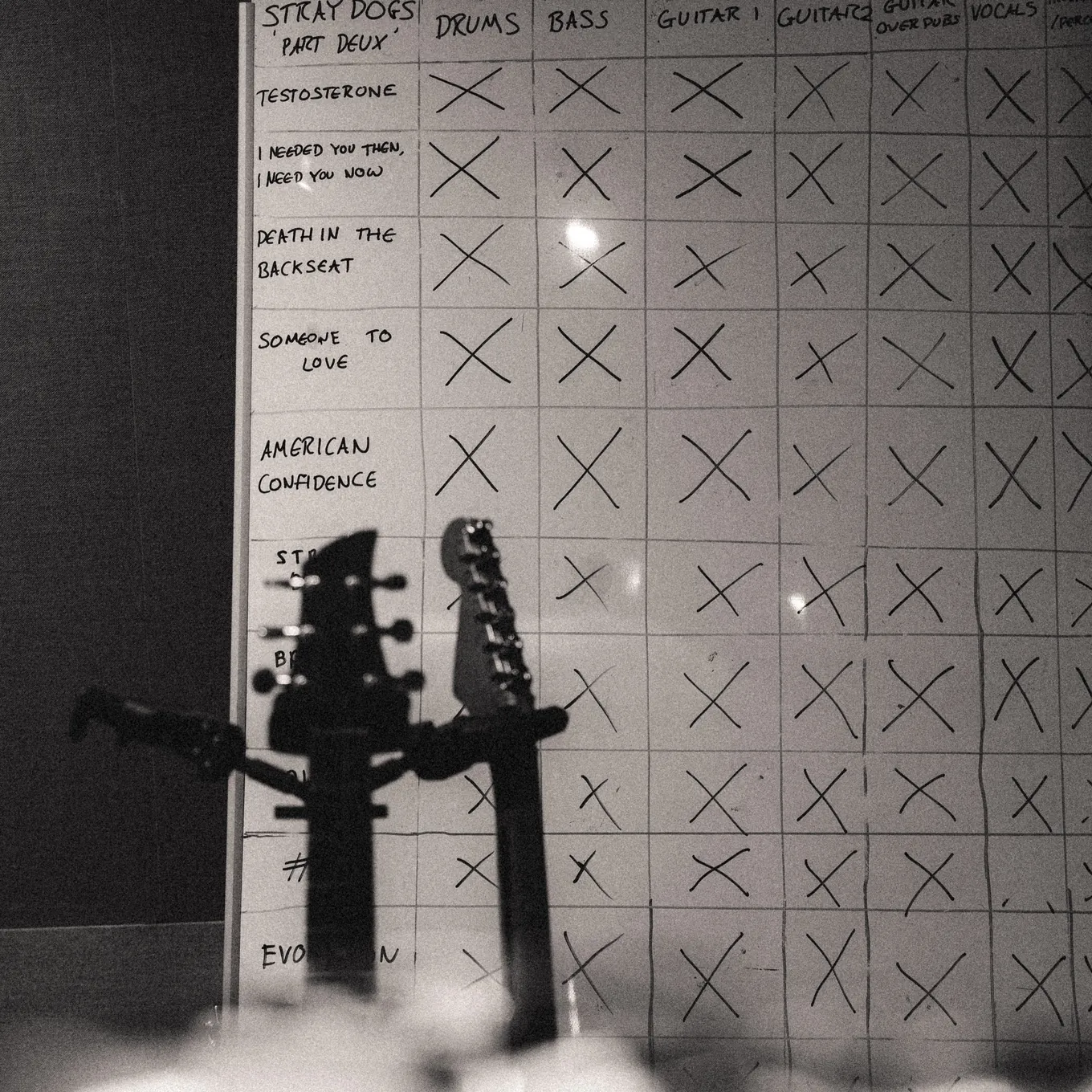
A mongrel is a random assortment. A pack isn’t. A pack has a direction — and this one is organised right down to a thirty-second gap where the band hands it to the crowd.
That’s not a mixed breed. That’s choreography.
These dogs knew exactly where they were taking me. I was the one who thought we were wandering.
So does it work?
Yes. With one condition, and the condition is the whole reason I’ve written two thousand words instead of a paragraph.
You have to understand what the hell it’s doing.
Played cold, as twelve tracks in a row from a band whose last record was Dead Club City, it will puzzle you. It puzzled me for two days, and I’m the one who went to see them and came home a convert. Put it on expecting the opener’s promise to hold for forty-three minutes and you’ll spend the middle of it wondering what went wrong, because the thing that happens there only reads as deliberate once you know what shape you’re inside.
Played with that in mind, it’s a different record. The soft stretch stops being a sag and becomes the part of the night where you get your breath back. The thirty seconds stop being an odd little nothing and become the best moment on the album. Everything that looked like a problem turns out to have a job.
That’s not me letting them off. An album that needs you to understand its intention before it fully lands is asking something of you, and it’s fair to say so — plenty of people will put this on once, hear a strong start and a soft middle, and never find out what they were holding. It was always going to be easier in a room with two thousand other people than it is washing the dishes.
But it does hold together. It holds together the way a set does: not because every song is the same size, but because they’re in the right order and somebody thought hard about where you’d need to breathe.
It broke my brain for a minute.
But that’s smart, and it makes you go back for more.
The ones I’m betting on
These are genuinely beautiful songs, a lot of them full of real sensitivity, and some of them got me on the spot. But this is an album that calls you back, and I think it’ll give up more over time.
Which, if it’s built like a set, is exactly what you’d expect. Nobody knows a setlist on the first night. You know it by the fifth. The songs you tolerated on Tuesday are the ones you’re waiting for by Saturday. I have spent enough of my life doing that around the world to recognise the feeling when it turns up in my kitchen.
So rather than hide behind the oldest line in music criticism, here are three predictions. Hold me to them.
If You Don’t Have Someone To Love is going to turn into one hell of an anthem live. I can absolutely see phones lighting up a venue to this. It taps into the emotional stuff more than I gave it credit for on first listen — and that acoustic outro is genuinely sweet.
Death in the Backseat is going to grow on me, I can feel it coming. The beat is enticing enough to do the work on its own. Dancing-around-your-living-room-on-a-sunny-afternoon vibes.
I Needed You Then, I Need You Now might take a while. There’s something under the surface I haven’t reached yet. But it’s curious enough to keep calling me back, and that’s usually the sign.
The Stray Dogs World Tour
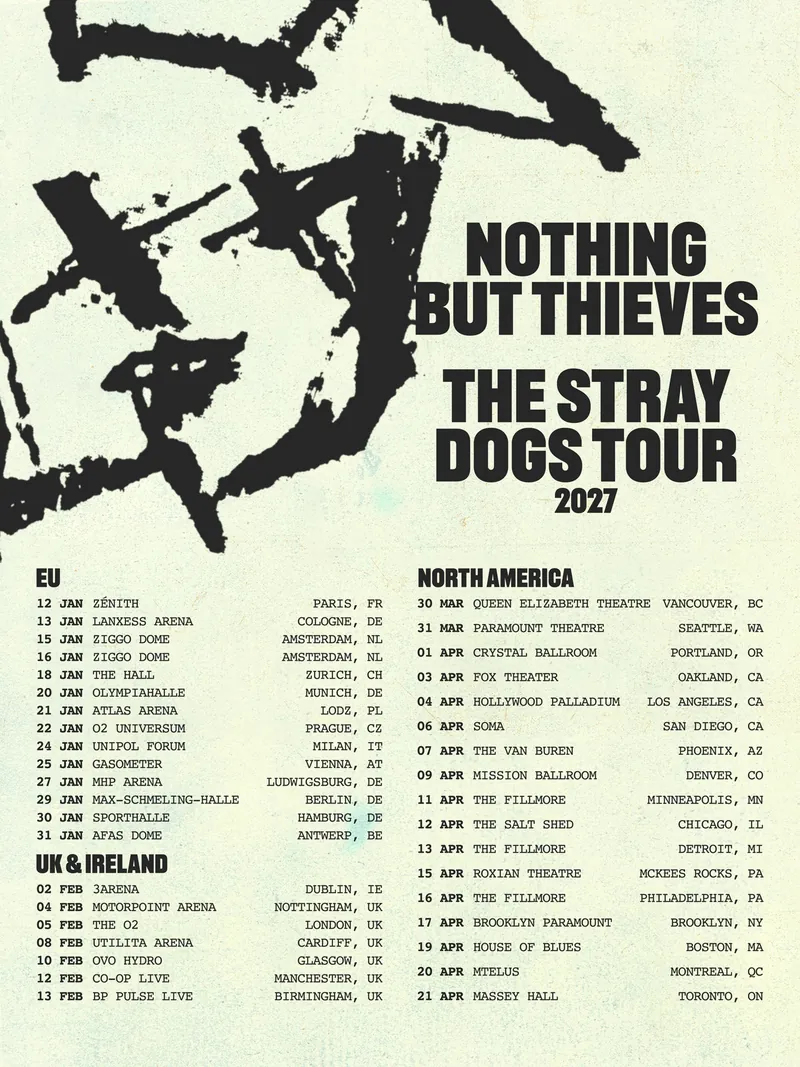
They’re out in January, and they’re out for a while. Mainland Europe first, starting in Paris on the 12th. The UK and Ireland in February. North America in the spring. Festivals all the way through next summer. Nothing in Portugal. Nothing in Spain. I’m getting used to it.
And I won’t be at any of them.
Which is a particularly stupid way for this review to end, given what I’ve just spent two thousand words working out. I found the opener. The main set. The walk down to the small stage. The thirty seconds where the band hands it over. The climb back.
And I’ll be listening to all of it in my kitchen.
Well. I might not get in the room this time but now I know how to read it, the room can come to me so I guess there’s that.
I’ll catch you next time guys. Well played.
Cup score
84
Specialty grade
How this cup scored
- Songwriting
- 8
- Performance
- 8
- Production
- 8.5
- Cohesion
- 9
- Aftertaste
- 8.5
Tasting notes — sticky · coiled · lingering